
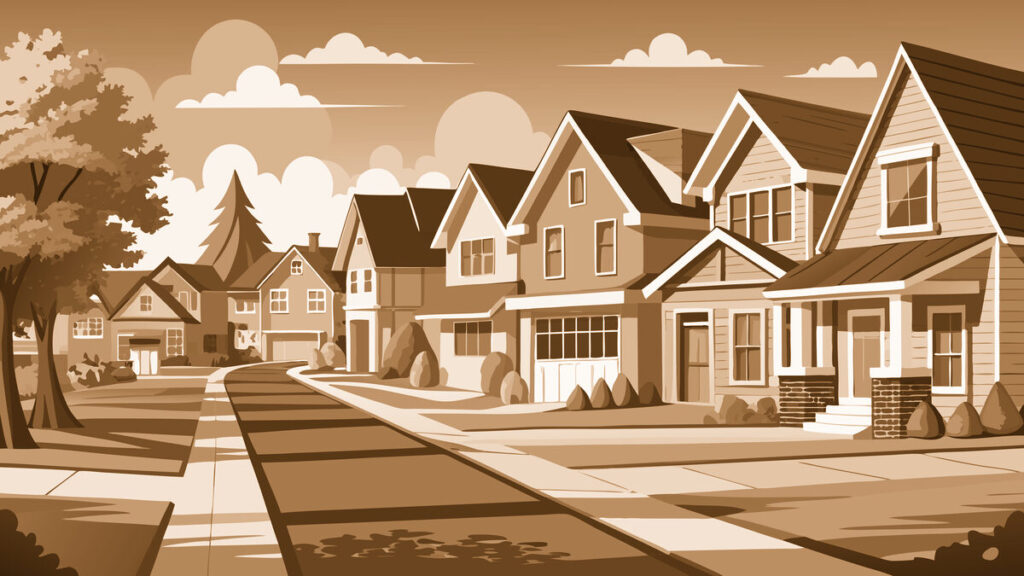
Nestled just northwest of Houston’s bustling downtown, Lazybrook is a treasured neighborhood defined by shaded streets, mid-century homes, and a powerful sense of community. Loved by long-time residents and newcomers alike, Lazybrook charms with its distinctive history, meaningful landmarks, and a story that mirrors Houston’s own evolution.
The Origins: A New Neighborhood for a Changing City
Lazybrook’s story begins in the 1950s, when Houston’s growing population prompted the need for comfortable suburban housing. The city’s westward expansion led developers to select a tract of land along a gently curving bayou — White Oak Bayou — which lent both aesthetic beauty and a peaceful atmosphere to the area.
Development officially began in 1955, transforming prairie land into a haven for young families seeking modern amenities and a break from city congestion. The developers — inspired by the meandering brook winding through the area — named the neighborhood “Lazybrook,” blending the spirit of relaxation with the natural landscape.
- The main entrance along West 18th Street quickly became a gateway to a new way of Houston living.
- Streets such as Lazybrook Drive, Brookmere Drive, and Salford Drive soon filled with ranch-style homes, all sporting characteristic brick facades and generous front lawns.
How Lazybrook Got Its Name
Lazybrook owes its poetic name to White Oak Bayou, whose gentle bends define the neighborhood’s eastern boundary. The developers wanted a name that reflected both the tranquil setting and the easygoing lifestyle they envisioned for residents.
- “Lazy” represents the laid-back, suburban peace compared to urban life.
- “Brook” references the bayou’s continuous and calming presence, still visible today in parks and greenbelts.
This thoughtful naming set the tone for the area, instantly distinguishing Lazybrook from other Houston neighborhoods with a sense of charm that remains intact.
Key Historical Milestones
Lazybrook’s history is dotted with moments that shaped both its landscape and community character:
- 1950s–60s: The first homes are built, showcasing hallmark mid-century architecture. Neighborhood life thrived with holiday parades, neighborhood associations, and block parties.
- 1970s: As Houston’s oil boom brought new residents, Lazybrook remained stable. Tucked away but well-connected, it escaped the commercial sprawl that changed other communities.
- 1980s–90s: With renewed interest in close-in neighborhoods, Lazybrook began attracting professionals seeking a short commute to downtown but desiring quiet streets and larger lots.
- 2000s–Present: A resurgence of appreciation for mid-century modern homes led to careful renovations. The neighborhood association — one of the most active in Houston — grew stronger, advocating for flood control, park improvements, and historic preservation.
Notable Landmarks and Institutions
Lazybrook’s charm isn’t only found in its homes — several streets, parks, and institutions serve as landmarks woven into daily life:
- Sinclair Elementary School (6410 Grovewood Lane): A focal point for families, Sinclair has had a presence in the neighborhood since 1959. Its strong academic reputation and beloved playgrounds foster decades-long friendships among residents.
- West White Oak Bayou Trail: Running along the neighborhood’s edge, this scenic trail connects Lazybrook to larger green spaces and communities, making it a favorite spot for walkers, runners, and bikers.
- Lazybrook Park (Field at Brookwoods and Millwood): Though small, this greenspace hosts annual events and informal gatherings that underscore the neighborhood’s community ethos.
- Local Churches and Community Centers: Institutions along West 18th Street, such as area churches, have long offered spaces for volunteering, social events, and celebrations.
How Lazybrook Has Evolved
Despite the sweeping changes Houston has seen in recent decades, Lazybrook has expertly balanced progress with preservation:
- Home Renovations: Instead of tearing down, residents have opted to lovingly update original homes, often preserving their iconic low-slung roofs, hardwood floors, and large windows.
- Flood Mitigation: Proximity to White Oak Bayou means flooding has occasionally been an issue, but ongoing city projects and local advocacy have helped safeguard residences.
- Diverse Community: While once home mostly to young families, Lazybrook now welcomes residents of all ages — young couples, retirees, and professionals drawn to its welcoming reputation.
- Neighborhood Association: Established neighbors work closely with newcomers, organizing everything from Spring Fling block parties to garden club tours. This maintains strong neighborly ties that set Lazybrook apart.
Streets and Places That Tell the Story
Walking through Lazybrook, every street and intersection has a tale to tell:
- Lazybrook Drive: The namesake street, running parallel to the bayou, is emblematic of the peaceful spirit the area’s founders intended.
- Brookmere Drive: The heart of early development, homes here retain their original mid-century bones, often with carefully tended gardens.
- Tulare Street: Known for its row of mature live oaks, this picturesque lane is the backdrop for Halloween gatherings and neighborhood yard sales.
- White Oak Bayou Greenway: The community’s “backyard,” this greenbelt is both a scenic amenity and a reminder of the natural beauty that inspired Lazybrook’s creation.
A Warm Welcome at Every Turn
For many Houstonians, Lazybrook is more than just a neighborhood — it’s a model for balancing city energy with small-town camaraderie. Residents recount stories of block parties that last into the night, neighbors helping each other after storms, and new arrivals quickly feeling at home.
Whether you’re strolling down Brooktree Drive, waving to a neighbor walking their dog, or admiring a well-preserved ranch-style home, Lazybrook’s heritage lives on. It remains a tribute to classic Houston living: grounded in history, open to change, and always proud of its roots.
Lazybrook’s quiet streets and community pride echo the jovial voices of decades past and promise a bright, inclusive future — just as its founders envisioned alongside a lazy, winding brook.